
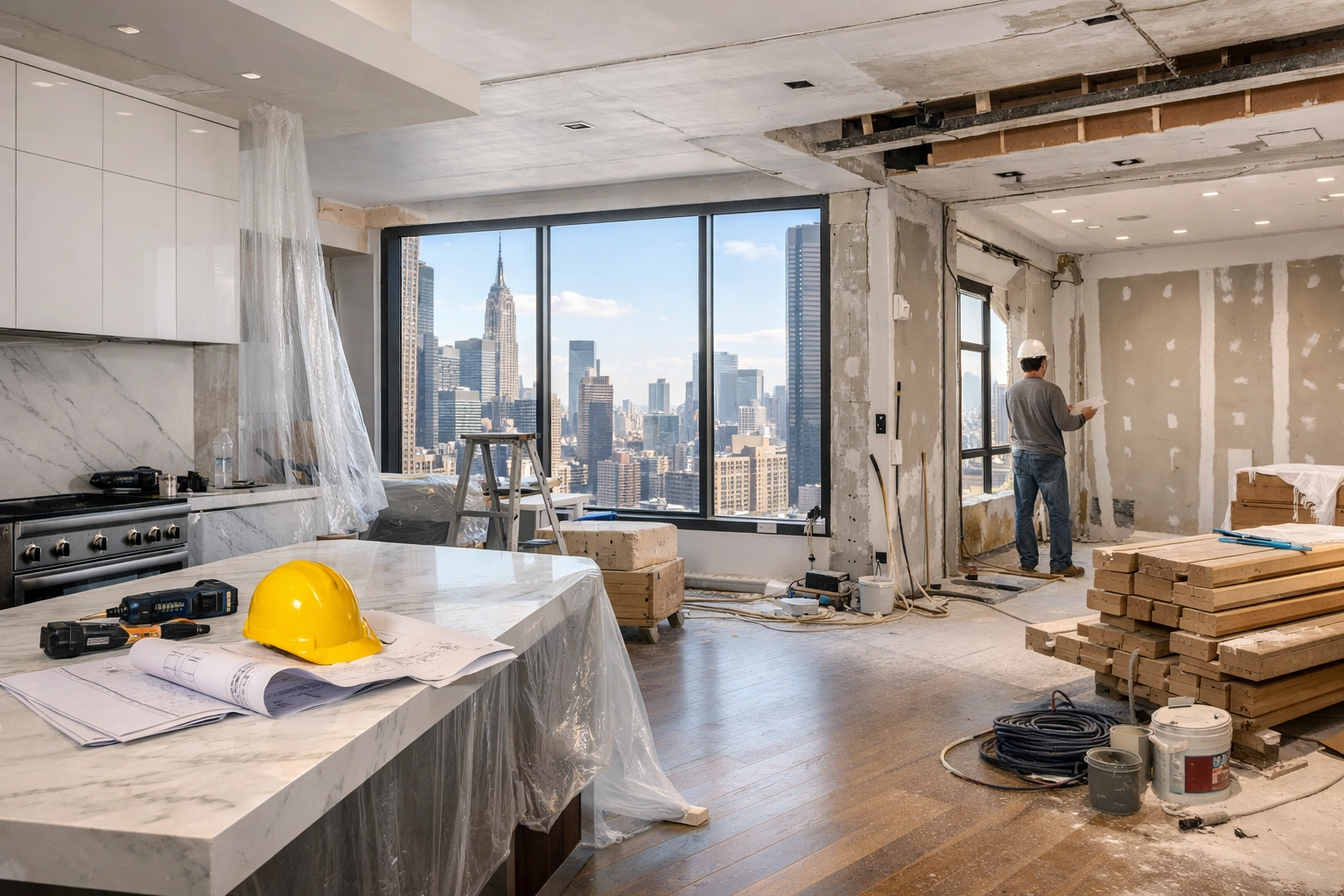
Renovating a home in Manhattan is a rite of passage for many New Yorkers, but doing it in a co-op is a different beast entirely. Unlike a detached house in the suburbs or even a condo, a co-op is a corporation where you technically own shares rather than real property. This means the board of directors has a massive say in what you do behind your front door.
A co-op renovation involves several separate reviews. Identify the building’s current instructions, the professionals reviewing the scope and any applicable agency requirements. Incomplete or inconsistent documents can create additional review cycles; preparation does not guarantee approval or a particular review date.
Use these seven checks to prepare a consistent co-op renovation submission. Corniel Construction LLC can discuss construction scope and coordination with your project team; management and the responsible professionals determine the applicable requirements and approvals.
1. Not Reading the Alteration Agreement Before Planning
Ask management for the current alteration agreement and submission instructions before finalizing the layout. Review scope restrictions, required documents, work hours, protection and access alongside the proposed design.
Many co-ops have specific restrictions that can kill a design. For example, some buildings forbid the relocation of gas lines or prohibit the installation of “through-the-wall” AC units. If you design a luxury kitchen renovation that requires moving the sink across the room, but the building prohibits “wet-over-dry” (more on that later), you’ve wasted time and money.
The Fix: Bring management’s current instructions, available plans and photographs to the consultation. Identify unresolved scope questions and assign them to management or the appropriate design professional before treating the proposal as ready for review.
2. The Insurance & COI Trap
Obtain the building’s insurance checklist and compare it with the contractor’s actual documentation. Ask which certificates, endorsements, named parties and coverage evidence are required for the proposed work.
Have management and the contractor’s insurance representative reconcile the required named parties, limits and endorsements. Do not infer adequate coverage from a generic COI or a citywide insurance range. Record any outstanding documentation before scheduling mobilization.

3. Ignoring “Wet-over-Dry” Rules
In Manhattan co-op renovations, wet-over-dry restrictions are building policies that vary by alteration agreement. Some buildings limit placing kitchens, bathrooms, or other wet areas above dry rooms in the apartment below because of leak and waterproofing risk. Confirm the building’s current rule before finalizing any layout change; a proposed expansion may require redesign or additional review depending on the building.
4. Misunderstanding NYC Renovation Permits Explained
Building approval and agency requirements are separate. Ask the registered design professional to evaluate the actual scope using current DOB permit guidance, including any applicable exemptions and licensed trade requirements.
NYC renovation permits explained
For apartment renovations in Manhattan, the applicable DOB filing category depends on the proposed work and is confirmed by the licensed design professional for the specific scope. Plumbing, electrical, structural, layout, egress, and occupancy-related changes can affect the filing strategy.
We collaborate with licensed architects and engineers as needed. Identify the applicant of record, required drawings and trade responsibilities using the current DOB filing guidance. Obtain required permits before affected work; a building approval letter does not replace them.

5. Logistics: The “Quiet” Killers of Project Budgets
Coordinate access and protection for a shared building before mobilization. Ask management to confirm the following items for the proposed work:
- Work Hours: Confirm permitted work hours, noisy-work restrictions, holidays and any required advance notices.
- Elevator Bookings: Obtain the reservation procedure, delivery windows, capacity limits and available bookings directly from management.
- Protection: Confirm required protection materials, installation details, inspection responsibilities and restoration conditions against the building’s instructions.
6. Underestimating the Timeline
Keep design preparation, building review, applicable agency filings, procurement and construction as separate schedule dependencies. Estimate dates for the actual scope with the responsible reviewers and project team.
Use a review record with these stages, where applicable:
- Preparation: The design team prepares the drawings and scope; record unresolved selections and surveys.
- Management Review: Management checks the submission against its current requirements; track missing documents.
- Reviewing Architect: Identify any required consulting-professional review and keep written comments with the current drawing revision.
- Board Vote: Ask management how decisions are made, when a complete submission can be considered and what conditions remain before work may start.
Evaluate temporary accommodation against the agreed schedule and unresolved review dependencies. Maintain contingency plans for changes instead of treating a generic approval duration as a commitment.

7. Hiring a Contractor Without Manhattan Experience
Evaluate how the contractor will coordinate management instructions, access, deliveries, protection, debris removal and required trade work. Ask for a written plan that matches your property and scope; experience should be supported by relevant records rather than assumed from a service area.
Identify the management contact and on-site coordination contact. Agree how access, service interruptions, protection checks and resident notices will be handled, and keep those responsibilities in the project record.
Prepare a Complete Board Review Package
Confirm the building’s current submission checklist, then assign an owner and status to each required item:
- Drawings and professional information required for the scope, prepared by the responsible design professionals.
- A dated scope consistent with the drawings, including exclusions and questions still awaiting review.
- Applicable licenses and insurance documents reconciled with management’s instructions.
- Floor or acoustic documentation required by the building; use the soundproofing planning guide to prepare assembly and testing questions.
A complete record helps reviewers evaluate the proposal. It does not guarantee approval, eliminate review comments or establish a standard decision date.
How much does bathroom remodeling cost NYC?
For a bathroom renovation, define plumbing changes, waterproofing, finishes, access and required reviews before comparing quotations. Use the budget worksheet to separate priced scope, allowances and unresolved requirements.
How much does kitchen remodeling cost in Manhattan?
For a kitchen renovation, ask the design team and licensed trades to identify any service changes required by the selected equipment and layout. Obtain comparable quotations for the defined scope. Our documented project records distinguish the evidence for an individual project from expectations for another property.

Your Manhattan Renovation Partner
Corniel Construction LLC coordinates construction scope and building logistics with your project team. Bring the current management instructions and available drawings so the consultation can focus on the requirements that apply to your property.
Ready to start your transformation?
Before submission, reconcile the proposed scope, design responsibilities, building instructions and applicable agency requirements. Use the consultation to identify missing information and the next review steps.
Bring the alteration instructions, available plans and photographs. Call 917-410-3132 for consultation availability.